
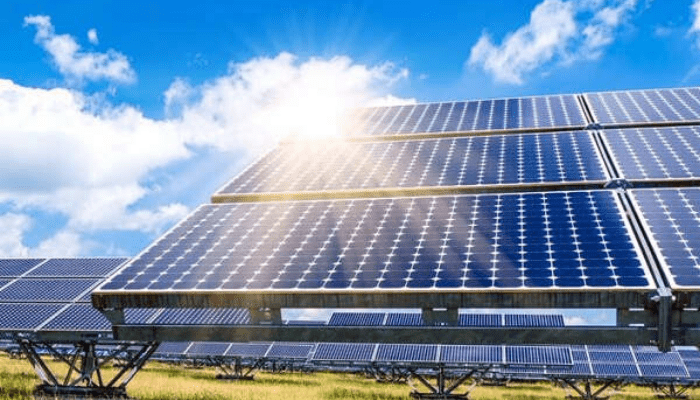
The effective installation of solar panels can enhance the value of homes and real estate properties in Nigeria. Increased awareness and acceptance of solar energy for homes have helped solar power gain acclaim in residential and commercial projects. It is changing the real estate landscape, making it more energy-efficient, cost-effective, and sustainable, while increasing property values.
Why Solar Power Matters for Homes and Real Estate.
Because of the shortage of power supply, high price of petrol and constant fluctuations in the grid system, Solar has become a must-have. There is more than 300 days of sunshine each year, making solar energy a reliable and plentiful source of energy for all homeowners and developers. In addition to independence from energy supplies, it can also increase a property’s market price by as much as 20–25%,due to a growing preference for lower running costs and environmentally-friendly designs.
Key Benefits of Solar Integration in Properties.
- Reduced Energy and Maintenance Costs.
Solar units greatly decrease energy and generator costs. Nigerian families pay ₦50,000 to ₦100,000 every month to run generators. Solar energy totally removes these costs after installation. With time, savings from solar will offset costs of installation, allowing homeowners to get free energy for years.
Maintenance is also minimal. Solar panels of high quality will last for more than 25 years. With a few cleaning sessions spread apart the years we can keep it efficient. The latest inverters and batteries only need a service check once in a couple of years.
- Increased Property Value.
For homes that have in-built solar systems, resale price is higher as well as speedier. Property analysts indicate that energy-efficient homes in Nigeria can attract a premium of up to 25% over similar non-solar homes. Buyers particularly younger professionals and diaspora like solar-powered real estate in Dubai as it gives modern eco-friendly living. - Reliable and Independent Power Supply.
Solar power homes allow generation of electricity at your home. The setups which use solar panels, inverters and batteries combine all the technologies into a hybrid, allowing home and office owners to protect themselves against Nigeria’s common power outages. - Enhanced Sustainability and Eco-Friendliness.
Solar energy is helping Nigeria move towards an eco-friendly housing system. By reducing the release of carbon gas, and encouraging the replacement of diesel or petrol generators, properties with Renewable Energy Systems are well positioned to comply with green certification programs and with the Nigeria National Energy Transition Plan. - Attracting Premium Buyers and Tenants.
In Nigeria estates are becoming increasingly popular with the wealthy class that wants to save costs and have eco-friendly homes that have solar panels. Most real estate companies say that the trend is working to make solar-ready homes the “smart homes” in modern-day Nigeria, giving the developer an edge in top markets such as Lagos, Abuja, Port Harcourt, and Enugu.
How to Improve a Property Using Solar Power.
- Conduct a Professional Energy Audit.
Assess the average energy usage, roof structure and power systems of the property before installation. A solar expert can locate the correct capacity for you. It can range from a small hybrid system (of 1-3 kW) for your home, or a full-scale system (of 5-15 kW) for your estate or office. - Incorporate Solar Early in Design.
Modern architecture utilizes M.E.P. (Mechanical, Electrical, and Plumbing) design to ensure properties are solar-ready at the blueprint stage. This means solar panels are integrated into the modern home design, letting clients rest easy in the knowledge that their property can have solar panels installed. This way, wiring routes are optimized, load-bearing capacity of roof is optimized and panel exposure is optimized. - Choose Quality and Scalable Equipment.
Choose the best mono-crystalline panels, lithium-ion batteries and smart hybrid inverters from reputed brands. You can begin off small with your budget with modular systems, then incrementally adapt and expand as your budget allows. - Pair Solar with Other Eco-Friendly Upgrades.
Combine solar installations with complementary upgrades such as LED lighting, energy-efficient appliances, insulation systems, and solar hot water heaters. Properties that implement more sustainable solutions save more energy and they’re worth much more in the market. - Utilize Incentives and Financing Schemes.
Nigerian government and private sector introduced solar financing programs and tax incentives as part of renewable energy policies. Homeowners can take advantage of pay-as-you-go (PAYG) solar plans or green mortgages to spread the installation costs over several years. - Ensure Regular Upkeep and Monitoring.
While solar systems don’t need much care, checking the performance every once in a while is essential to keep them functioning well. Dust accumulation can reduce energy output by 10–15%. Through software-based energy monitoring, and regular cleaning and safety inspections, systems run at peak performance.
Solar Impact on Real Estate Development Trends.
Smart Housing Integration.
Sunshine is becoming an increasingly popular source of fuel as developers incorporate solar power into the energy systems of estates. Whole estates can share in a solar grid (or other hybrid power system) that includes wind or biomass energy. Properties with a consistent supply of electricity have been going for higher prices. This is especially the case in Lekki Epe corridor in Lagos and Jahi district, in Abuja.
Green Certification and Investor Appeal.
Properties that come with a renewable energy element to them are now eligible for green building certification. These projects are becoming attractive to international investors and financing institutions, which have the ESG philosophy. In 2025, many new real estate projects emphasize renewable infrastructure as a selling point.
The Rise of Solar-Powered Smart Homes.
Unlike before, more architects and engineers in Nigeria are designing smart homes that are solar-ready and designed. These smart houses have a sustainability and convenience component that adds to their resale value.
Practical Example: Upgrading Lagos and Abuja Properties.
Homeowners in Lagos, particularly in Lekki Phase II, Ibeju-Lekki and Ajah, report an increase of above 15% in the value of their properties after installing rooftop solar systems with lithium battery storage. Renters are ready to pay extra for an apartment with solar as they can access electricity 24 hours a day without noise and fuel cost of a generator.
In suburban estates of Abuja, some developers of homes are now providing a 5 kW solar system for the buyers which has reduced the monthly electricity costs of residents by almost 80% along with cutting the long term maintenance costs.
Overcoming Common Solar Installation Challenges.
While the advantages are considerable, property stakeholders must tackle key issues upfront.
It is possible to address high upfront costs with modular layouts and financing programs.
Architects can design optimal roof slope and panel positioning for maximum sunlight exposure.
Battery replacement needs – cost and hassle levels can be reduced with good, advanced lithium batteries.
Rain or shine, hybrid solar-plus-battery systems deliver dependable power when you need it most.
The Economic and Environmental Payoff.
Using solar energy is not only beneficial for property owners. Also, This will help Nigeria become more energy resilient and environmentally friendly. Every solar-powered home is able to rely less on fossil fuels, and to cut carbon emissions by 1.5 tons every year. As solar energy jobs increase, experts believe they will create thousands of jobs to improve the local economy.
Final Insights.
Connecting effective photo-voltaic schemes is one of the best modern tactics to improve both home functions and real estate values. The energy independence, environmental friendly design built, and long-term savings from the housing solar powered are the future in Nigeria.
Homeowners and developers should plan solar early, buy good systems, maintain systems, and design to the sustainability trend. Simple formula really. Houses designed for solar energy sell faster, cost less to run and build Nigeria’s greener energy future. They are also better to meet growing energy demands.